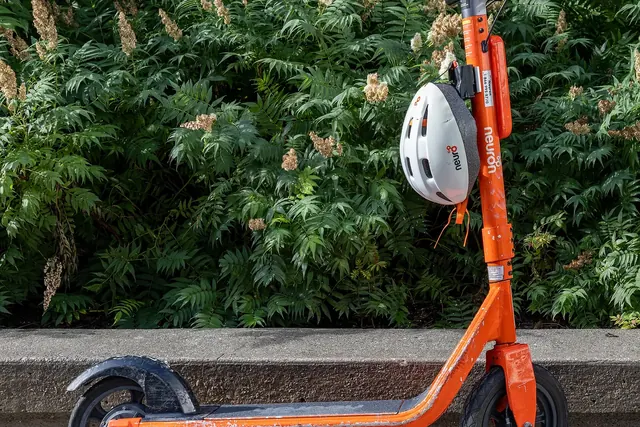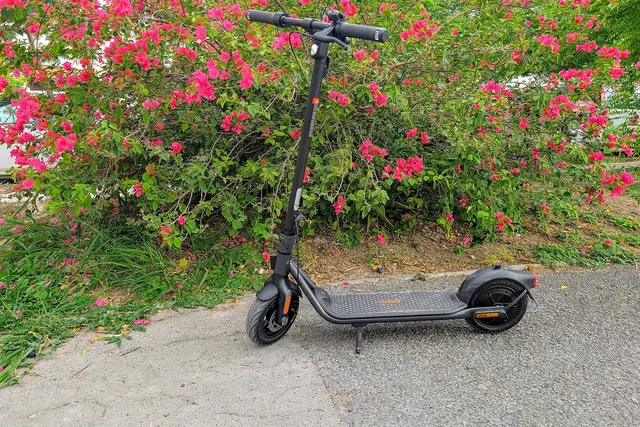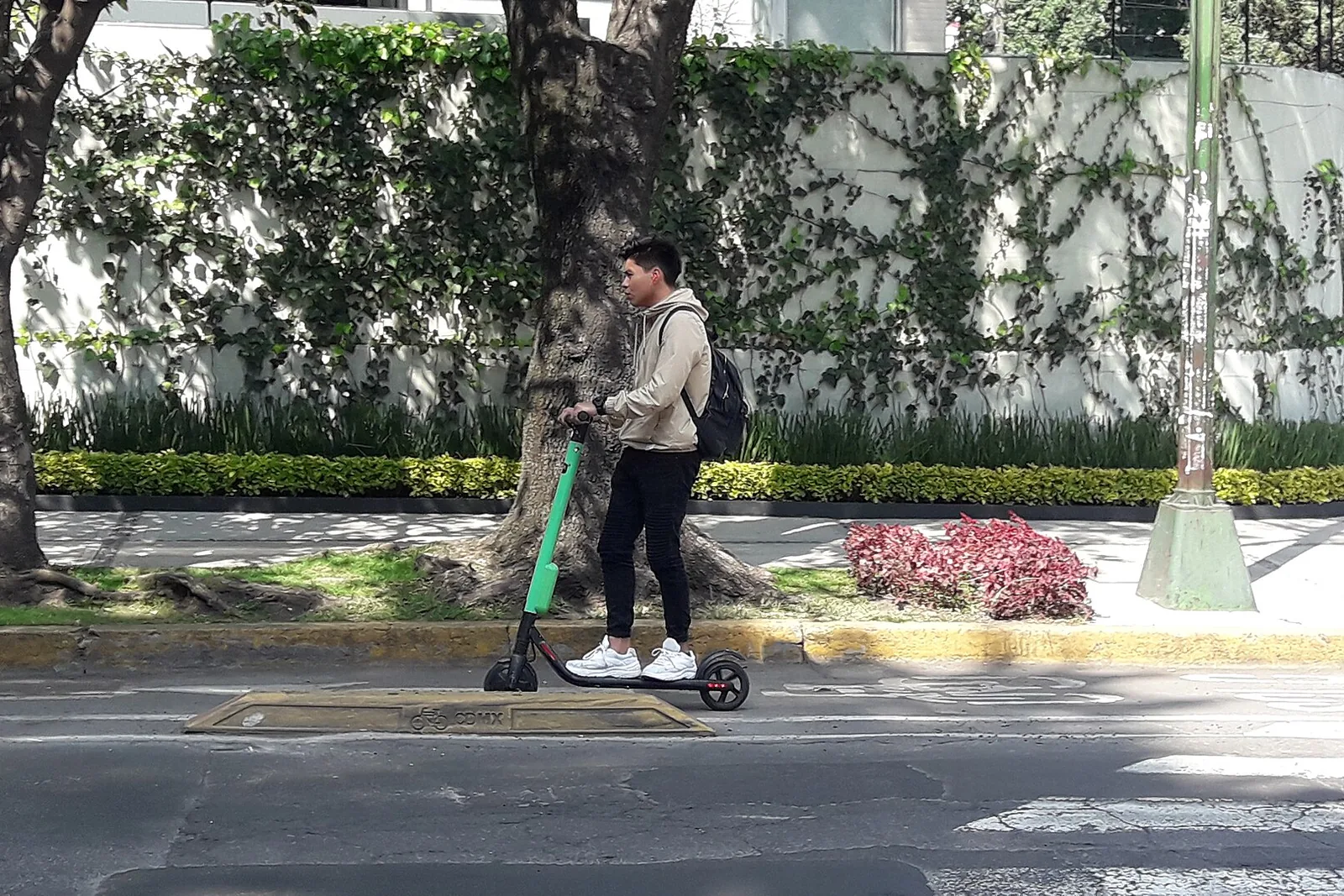
Everyone knows that walking keeps you in shape, but an electric scooter gets written off as the lazy option. That’s not quite fair. You don’t pedal or push, yet you stand, balance, steer and react for the whole ride, and you spend that time outdoors rather than in a car seat. Here are ten health benefits of riding an e-scooter. They’re honest ones: an e-scooter isn’t a gym session, and we say where the benefit is small.
Is riding a scooter good exercise?
It depends on which scooter you mean.
- Kick scooter. Riding a kick (push) scooter is real exercise. Every push is a one-legged squat-and-drive with the other leg balancing, so your thighs, glutes, calves and core all work. At a steady pace it’s comparable to brisk walking or easy cycling, and harder if you push fast or ride uphill. Swap your pushing leg regularly so both sides get the work.
- Electric scooter. Riding an electric scooter is light activity rather than a workout: the motor does the propulsion. You still stand, balance and use your core the whole time, which is clearly more than sitting in a car. Most of its health value comes from the benefits below, not from breaking a sweat.
1. Riding a scooter burns calories
Does riding an electric scooter burn calories? Yes, a little. Standing uses more energy than sitting. On an e-scooter you stay upright, shift your weight in corners, brace over bumps and hold the bars steady. The effect is modest, far less than cycling or brisk walking. But if a scooter replaces car trips rather than walks, the extra activity adds up over weeks of commuting.
How many calories does scootering burn? It depends on your body weight, your speed, the terrain and, on a kick scooter, how often you push. A heavier rider pushing briskly uphill burns far more than a light rider cruising on the flat. As a rule of thumb, kick scootering burns roughly what brisk walking does for the same time. Riding an electric scooter burns only a little more than standing still. Be wary of precise calorie figures online: they are estimates, and a fitness tracker on your wrist will give you a better picture of your own rides.
2. Scooter riding improves your balance
Riding a narrow deck on two small wheels is a constant balance exercise. Your ankles, knees and hips make tiny corrections the whole time, especially on uneven surfaces and at low speed. Regular riders often notice they feel steadier on their feet. Balance is a skill that fades if you don’t use it, so a daily ride is an easy way to keep practising.
3. Riding a scooter works your core muscles
To stay stable while accelerating, braking and turning, you use the muscles around your trunk: abdominals, back and hips. You won’t get a six-pack from your commute, but that steady low-level engagement is more than a car seat asks of you. Riding with slightly bent knees and a relaxed upper body brings the legs into it too.
4. Riding a scooter encourages better posture
A comfortable ride needs an upright stance: head up, eyes forward, shoulders relaxed, weight centred over the deck. That’s the opposite of the hunched position many of us hold at a desk or behind a phone. Setting the handlebar at the right height for your body helps a lot. Our guide for adult riders explains what to look for.
5. Less time in crowded, enclosed spaces
A short scooter trip keeps you in the open air instead of a packed bus or tram at rush hour. Many people simply feel better breathing outdoor air and having their own space on the way to work. It’s a comfort benefit rather than a medical one, and it’s most noticeable on short urban trips.
6. Riding a scooter improves your coordination
Scooting makes your eyes, hands and feet work together. You read the surface ahead, judge gaps, brake smoothly and steer around obstacles, often all at once. That hand-eye coordination and reaction practice is part of what makes riding feel engaging. It’s also why beginners should start slowly in a quiet place: coordination builds with time.
7. Scooter riding keeps stress away
For many riders the commute stops being dead time. There’s no circling for parking and no sitting in queues, and short trips are more predictable. Moving through fresh air at an easy pace tends to feel calmer and more direct than sitting in traffic. Riding also asks for gentle attention, which leaves little room to dwell on work.
8. E-scooter rides can help you sleep better
Being outdoors in daylight, especially in the morning, is widely linked with a steadier body clock, and regular light activity is linked with better sleep. A scooter commute gives you both in small doses. It won’t fix a sleep problem on its own, but swapping an indoor commute for an outdoor one is a small, easy step in the right direction.
9. Riding a scooter puts gentle load on your bones and joints
Standing and absorbing small bumps puts light, weight-bearing load through your legs and hips, and bones respond to load. The effect is much smaller than walking, running or strength training, so treat it as a bonus rather than a reason to ride. The upside is that scooting is low-impact: there’s no pounding on the knees as there is with running, which suits people who find high-impact exercise uncomfortable.
10. Riding a scooter helps keep the planet healthy
A healthy environment is part of your own health. Every short car trip replaced by an electric scooter means less exhaust at street level and less noise in your neighbourhood. The benefit is greatest when the scooter replaces a car rather than a walk, and when you keep one scooter going for years with good battery care and regular maintenance.
Ride safely, or the benefits don’t count
None of these benefits matter if you get hurt. Wear a helmet on every ride, even when the law where you live doesn’t require it. Ride at a speed that lets you stop in time, keep both hands on the bars, and be visible with lights and reflective clothing in the dark. Traffic rules for e-scooters (speed, age, where you may ride) differ between countries and cities, so check your local rules before you set off. Our safety guide covers the basics, and our winter riding guide explains how to adapt when it gets cold and slippery.
The bottom line
An e-scooter won’t turn you into an athlete, but it’s healthier than it looks. You stand, balance and use your core; you spend more time outdoors; and you swap some stressful car trips for calmer ones. Choose a scooter that fits your body and your trips (see how to choose an e-scooter), ride carefully, and keep walking and cycling in the mix. Then the scooter becomes one more reason to get outside every day.